On this page
The Bottom Line
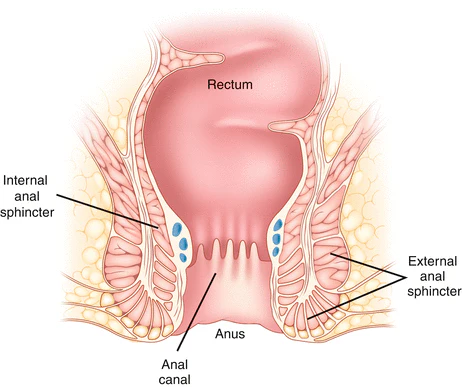
First things first: hemorrhoidal tissue itself is normal anatomy. We all have vascular cushions inside the anal canal that help with continence. A “hemorrhoid” becomes a medical problem when those tissues enlarge, prolapse, bleed, become irritated, or develop a painful clot.
So technically, you don't suddenly “get hemorrhoids” out of nowhere. Your existing hemorrhoidal tissue simply decides to become problematic.
Your butt has filed a complaint.
Key Facts
- Hemorrhoids may be internal, external, or a combination of both.
- Internal hemorrhoids commonly cause painless bright-red bleeding or tissue that protrudes from the anus.
- External hemorrhoids can become extremely painful when a blood clot develops inside them.
- Constipation, straining, and abnormal bowel habits can contribute to symptoms.
- Increasing dietary fiber and improving bowel habits are first-line strategies.
- Rectal bleeding should not automatically be blamed on hemorrhoids.
What You May Notice
Hemorrhoid symptoms can include:
- Bright-red blood on toilet tissue or in the toilet
- Anal itching or irritation
- A lump near the anus
- Tissue protruding during a bowel movement
- Pressure or fullness
- Pain, particularly with a thrombosed external hemorrhoid
- Difficulty cleaning after bowel movements
Internal hemorrhoids often aren't particularly painful because of where they occur within the anal canal.
External tissue, meanwhile, is much better at sending your brain an angry memo.
Why Do Hemorrhoids Act Up?
Factors associated with symptomatic hemorrhoids include constipation, frequent straining, prolonged sitting on the toilet, and abnormal bowel habits.
Translation: the toilet is not supposed to become your home office.
Spending 30 minutes scrolling social media while bearing down is not the wellness routine your rectum requested.
Prevention
Healthy bowel habits matter.
Helpful strategies include:
- Eating adequate dietary fiber
- Drinking enough fluids for your individual health needs
- Staying physically active
- Treating chronic constipation or diarrhea
- Avoiding excessive straining
- Going when your body signals the need to have a bowel movement
- Limiting unnecessary time sitting on the toilet
Treatment Overview
Treatment depends on the type and severity of hemorrhoids.
Conservative management often begins with fiber, bowel-habit modification, and symptom relief.
If symptoms persist, healthcare professionals may recommend office-based procedures. Rubber-band ligation is commonly used for selected internal hemorrhoids.
More advanced, recurrent, combined internal/external, or otherwise complicated disease may require surgical evaluation.
And no—you shouldn't try to perform your own hemorrhoid procedure at home.
Your bathroom is many things. An ambulatory surgery center is not one of them.
When to Seek Medical Care
Get evaluated for:
- New or unexplained rectal bleeding
- Heavy or persistent bleeding
- Significant anal pain
- Recurrent symptoms
- A new lump or mass
- Changes in bowel habits
- Unexplained weight loss
- Weakness, dizziness, or fainting associated with bleeding
Hemorrhoids are common, but other conditions—including anal fissures, inflammatory conditions, polyps, and colorectal cancer—can cause bleeding.
Frequently Asked Questions
Scholarly Sources & References
- 1.Hawkins AT, Davis BR, Bhama AR, et al. The American Society of Colon and Rectal Surgeons Clinical Practice Guidelines for the Management of Hemorrhoids. Diseases of the Colon & Rectum. 2024;67(5):614-623. doi:10.1097/DCR.0000000000003276
- 2.Wald A, Bharucha AE, Limketkai B, et al. ACG Clinical Guidelines: Management of Benign Anorectal Disorders. American Journal of Gastroenterology. 2021;116(10):1987-2008. doi:10.14309/ajg.0000000000001507