
On this page
The Bottom Line
Anal pleasure is real.
So is anal pain.
Pain during receptive anal intercourse has a medical name: anodyspareunia.
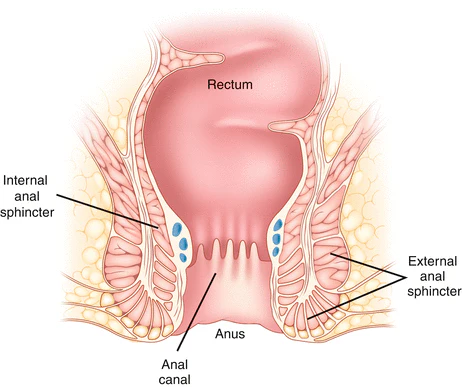
The anus, anal sphincters, pelvic floor, nerves, rectum, and—for some people—the prostate or surrounding sexual structures can all contribute to the sensations experienced during anal activity.
Pleasure and pain are therefore not simply questions of whether someone is “tight.”
Key Facts
- Anal intercourse can be pleasurable and comfortable.
- Persistent or significant pain is not something you should simply push through.
- Pelvic floor muscle tension can contribute to painful penetration.
- Conditions such as anal fissures, hemorrhoids, infections, inflammatory disease, previous surgery, and cancer treatment can affect receptive anal sex.
- Adequate preparation, communication, lubrication, relaxation, and control matter.
- Recurrent pain deserves medical evaluation.
What Can Pain Feel Like?
People may describe:
- Burning
- Sharp pain
- Tightness
- Pressure
- Spasm
- Deep pelvic pain
- Pain afterward
- Bleeding during or after penetration
These sensations can point toward different causes.
Why Might It Hurt?
Potential contributors include:
Muscle tension
The external anal sphincter and pelvic floor contain voluntary muscle. Anxiety, anticipation of pain, or pelvic floor dysfunction can make relaxation difficult.
Friction
Anal tissue does not behave exactly like vaginal tissue during penetration. Adequate lubrication is therefore important.
Anal fissure
A small tear can cause significant pain, particularly with bowel movements or penetration.
Hemorrhoids
Inflamed or thrombosed hemorrhoidal tissue can become irritated.
Infections
Certain rectal STIs and other infections can cause pain, inflammation, discharge, or bleeding.
GI or pelvic disease
Inflammatory bowel disease, pelvic-floor dysfunction, surgery, radiation, and other conditions may change anal sexual function.
Prevention / Risk Reduction
Comfortable anal activity should prioritize:
- Consent
- Communication
- Adequate arousal
- Lubrication
- Gradual progression
- Relaxation
- Control by the receptive partner
- Stopping when pain becomes significant
Pain should not be treated like proof that you simply need to “try harder.”
The anus does not award medals for perseverance.
Treatment / Management
Treatment depends entirely on the cause.
Options may include treating a fissure or hemorrhoid, STI treatment when indicated, pelvic-floor physical therapy, management of underlying gastrointestinal disease, or other individualized interventions.
Research increasingly recognizes pelvic-floor physical therapy as potentially useful for people experiencing anal pain and other pelvic-floor symptoms.
When to Seek Medical Care
Get evaluated for:
- Persistent pain
- Severe or sudden pain
- Significant bleeding
- Fever
- Discharge
- New sores
- A palpable lump
- Loss of bowel control
- Pain that repeatedly prevents sexual activity
Frequently Asked Questions
Scholarly Sources & References
- 1.Dickstein DR, Edwards CR, Rowan CR, et al. Pleasurable and problematic receptive anal intercourse and diseases of the colon, rectum and anus. Nature Reviews Gastroenterology & Hepatology. 2024;21(6):377-405. doi:10.1038/s41575-024-00932-1
- 2.Bar Chen A, Kalichman L. Pelvic Floor Disorders Due to Anal Sexual Activity in Men and Women: A Narrative Review. Archives of Sexual Behavior. 2024;53:4089-4098. doi:10.1007/s10508-024-02995-2
The 2024 literature specifically recognizes pleasurable receptive anal intercourse while also identifying anodyspareunia and pelvic-floor dysfunction as legitimate clinical concerns.