On this page
The Bottom Line
STI testing isn't simply about what infection you're testing for.
It's also about where you're testing.
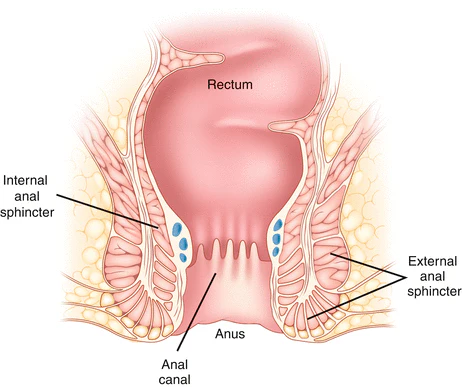
Some infections can occur in the rectum, throat, or genitals independently.
That means a urine or genital test does not automatically tell you what's happening in the rectum.
Key Facts
- Gonorrhea and chlamydia can infect the rectum.
- Rectal infections may have few or no symptoms.
- Extragenital testing means testing sites such as the rectum or throat.
- Sexual history helps healthcare professionals determine which anatomical sites should be tested.
- Testing recommendations vary according to anatomy, sexual practices, age, pregnancy status, HIV status, risk, and current guidelines.
Your healthcare professional cannot order the right test if they don't know which body parts attended the meeting.
What Might a Rectal STI Feel Like?
Many infections cause no symptoms.
When symptoms occur, they may include:
- Rectal discomfort
- Discharge
- Bleeding
- Pain with bowel movements
- Anal itching
- Urgency
- Inflammation
But symptoms alone cannot diagnose an STI.
Testing can.
Why Can a Urine Test Miss It?
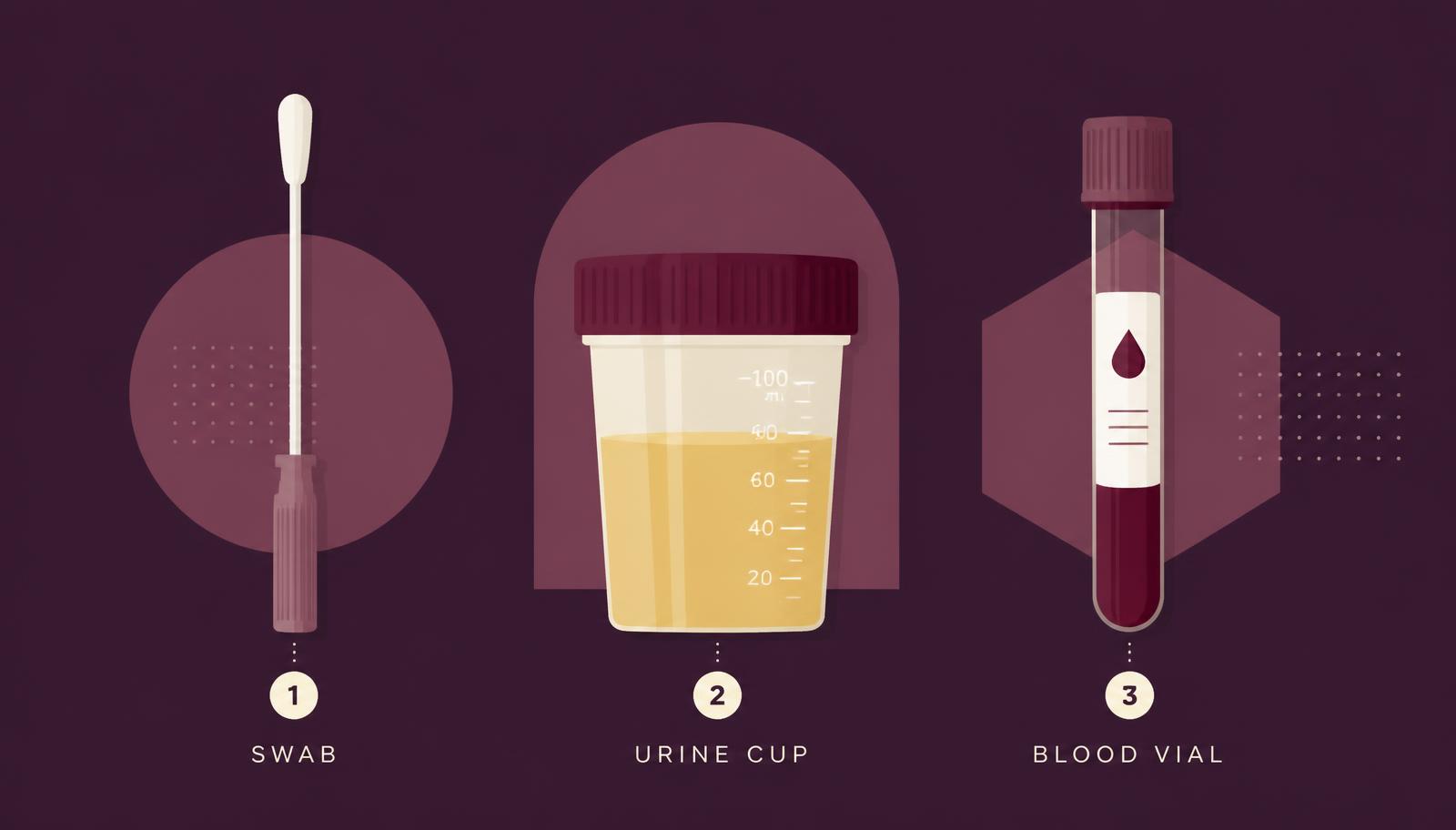
A urine sample primarily evaluates infections involving the urinary/genital tract.
A rectal swab samples the rectal site.
Think of it this way:
If you're checking whether the kitchen sink is leaking, examining the upstairs bathtub doesn't answer the question.
Different location. Different sample.
Prevention / Risk Reduction
Depending on your circumstances, prevention may include:
- Appropriate condom use
- Routine STI screening
- Testing anatomical sites based on sexual exposure
- HPV vaccination when recommended
- Hepatitis vaccination when appropriate
- HIV testing
- HIV PrEP for people who meet indications
- Prompt evaluation of symptoms
- Open communication with sexual partners and healthcare professionals
Treatment Overview
Bacterial STIs such as gonorrhea and chlamydia can be treated with appropriate antimicrobial therapy, but the correct medication depends on the diagnosed infection and current treatment recommendations.
Do not treat yourself with leftover antibiotics.
Your medicine cabinet is not an infectious-disease fellowship.
When to Seek Medical Care
Seek evaluation after:
- A known STI exposure
- New rectal discharge
- Rectal pain
- New sores or lesions
- Unexplained bleeding
- New rash
- Fever associated with sexual exposure
- A partner reporting an STI
- Condom failure when STI/HIV exposure is a concern
Some HIV prevention interventions are time-sensitive, so prompt evaluation after a possible exposure can matter.
Frequently Asked Questions
Scholarly Sources & References
- 1.Hufstetler K, Llata E, Miele K, Quilter LAS. Clinical Updates in Sexually Transmitted Infections, 2024. Journal of Women's Health. 2024;33(6):827-837. doi:10.1089/jwh.2024.0367
- 2.Dobkin LM, Brush BL, Kahle EM, Drenth PJ, Kusunoki Y. A Scoping Review of Approaches to Extragenital Chlamydia and Gonorrhea Screening for Adolescents and Young Adults in the United States. Nursing for Women's Health. 2025;29(6).
Recent clinical literature specifically emphasizes extragenital screening, including rectal gonorrhea and chlamydia testing when indicated by exposure and risk.