On this page
The Bottom Line
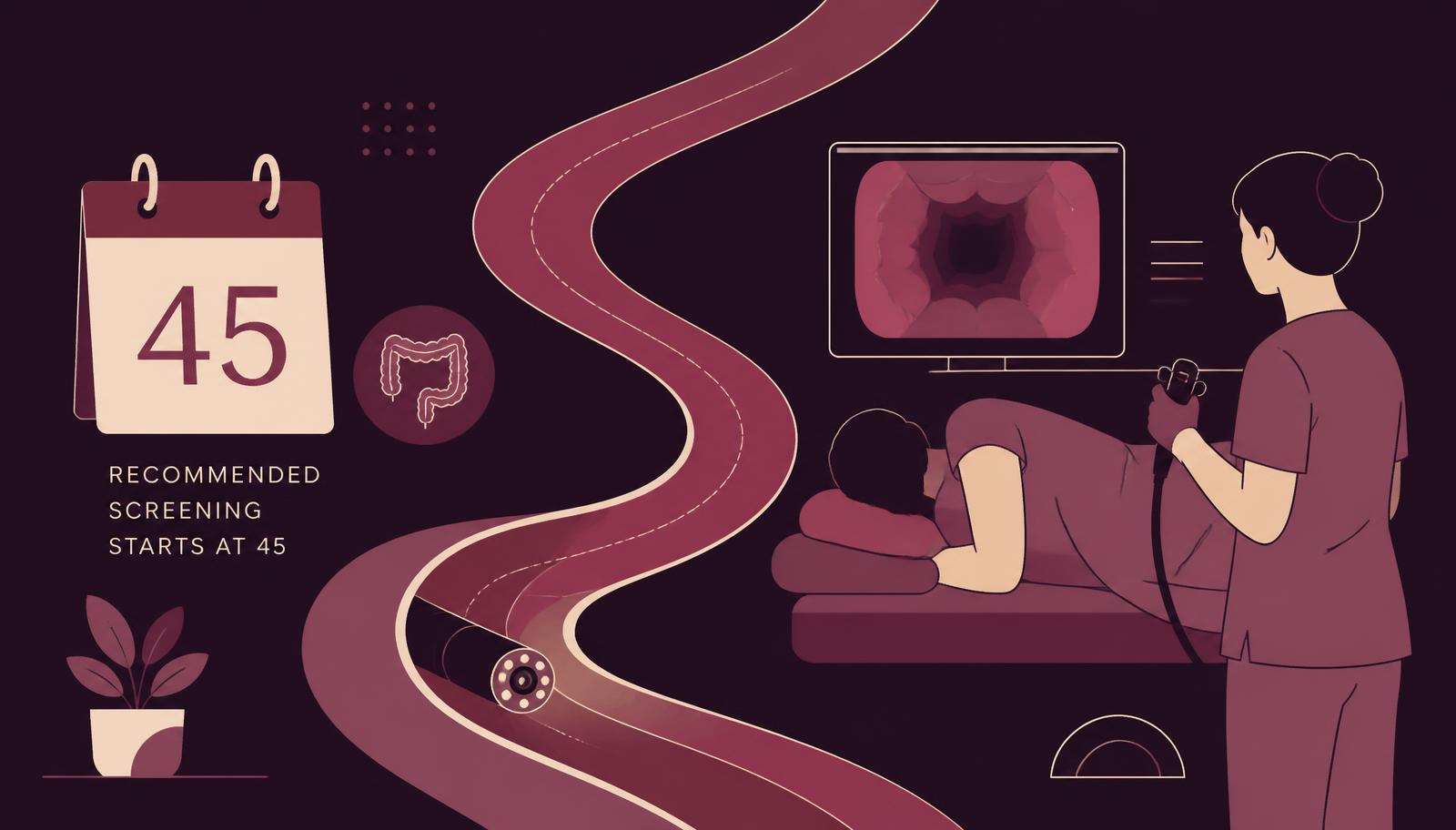
For average-risk adults, major U.S. recommendations call for colorectal cancer screening beginning at age 45.
Notice that I said screening, not necessarily colonoscopy.
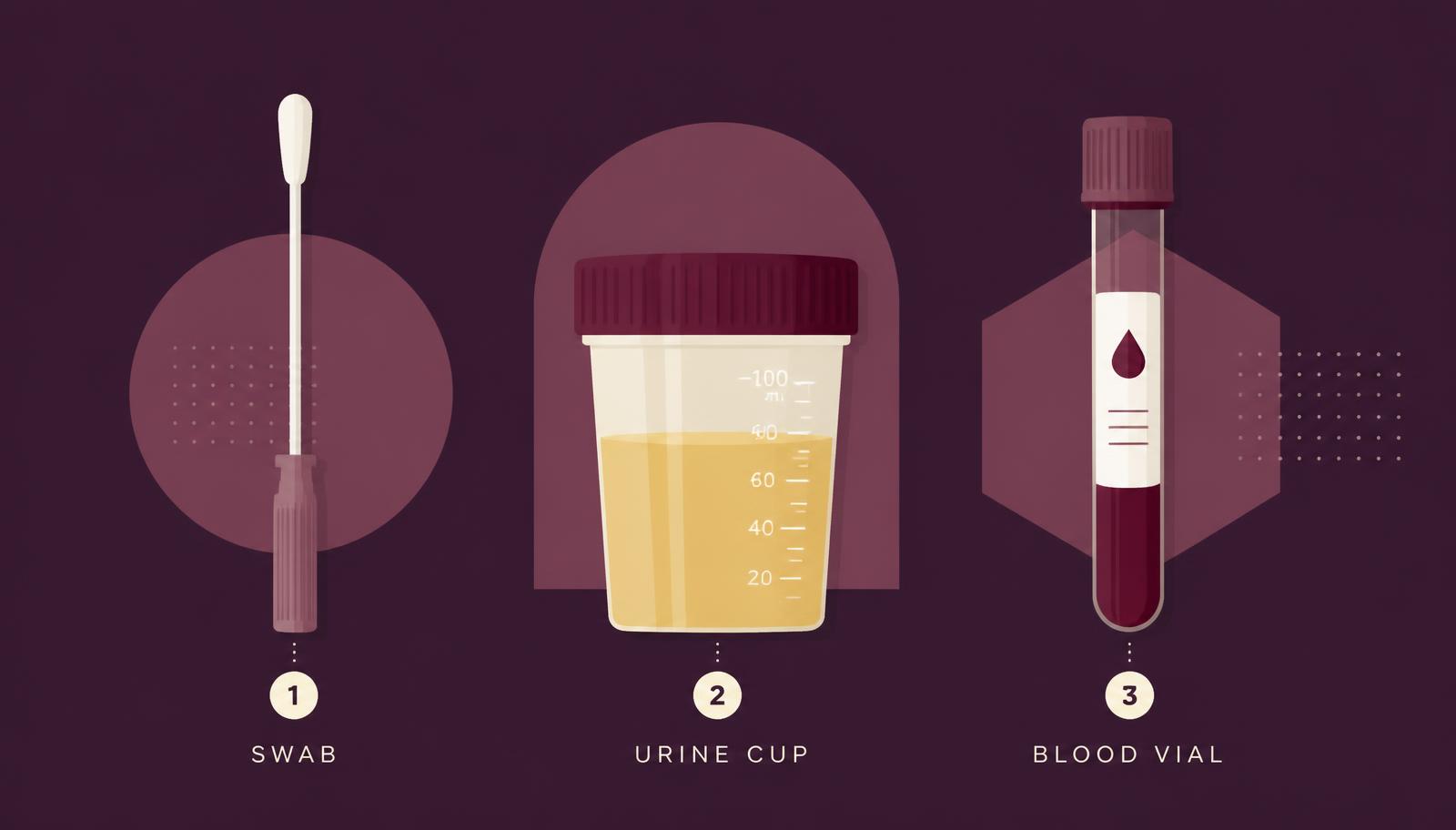
Colonoscopy is one option. Depending on your risk, medical history, preferences, and healthcare provider's recommendations, other screening strategies may also be appropriate.
Key Facts
- Average-risk colorectal cancer screening generally begins at age 45.
- Routine screening is recommended through age 75.
- Decisions from ages 76 through 85 are individualized.
- Colonoscopy is not the only colorectal cancer screening method.
- Some stool-based tests can be performed at home.
- Abnormal non-colonoscopy screening tests generally require follow-up colonoscopy.
- People at increased risk may need earlier or different screening.
Why Screen Someone Who Feels Fine?
Because that's the point.
Screening looks for disease before symptoms appear.
Some colorectal cancers develop from precancerous polyps. Colonoscopy allows clinicians to directly examine the colon and remove many polyps during the same procedure.
Risk Factors That May Change the Plan
Your healthcare professional may recommend a different strategy if you have factors such as:
- Strong family history
- Previous colorectal polyps
- Previous colorectal cancer
- Certain hereditary cancer syndromes
- Inflammatory bowel disease
- Concerning gastrointestinal symptoms
Screening recommendations for an average-risk 45-year-old do not necessarily apply to someone with symptoms or a significant family history.
Prevention
You cannot control every colorectal cancer risk factor.
Healthy behaviors associated with overall colorectal health include:
- Avoiding tobacco
- Regular physical activity
- Maintaining a healthy dietary pattern
- Limiting excessive alcohol intake
- Following recommended screening
- Discussing family history with your healthcare provider
But healthy living does not replace screening.
Broccoli is wonderful. Broccoli is not a colonoscopy.
Treatment Overview
Screening itself isn't treatment.
If a screening test identifies abnormalities, additional evaluation may include colonoscopy, biopsy, imaging, surgery, oncology care, or surveillance depending on the finding.
When to Seek Medical Care
Age 45 is a screening threshold for many average-risk adults. It is not an instruction to ignore symptoms until your 45th birthday. Contact a healthcare professional for unexplained:
- Rectal bleeding
- Persistent bowel-habit changes
- Blood in stool
- Ongoing abdominal pain
- Unexplained iron-deficiency anemia
- Unintentional weight loss
Frequently Asked Questions
Scholarly Sources & References
- 1.US Preventive Services Task Force. Screening for Colorectal Cancer: US Preventive Services Task Force Recommendation Statement. JAMA. 2021;325(19):1965-1977. doi:10.1001/jama.2021.6238
- 2.Tanadi C, et al. Colorectal cancer screening guidelines for average-risk and high-risk populations. 2023.
Current USPSTF recommendations support screening average-risk adults from ages 45–75, with selective individualized screening later in life.