
On this page
- The Bottom Line
- Key Facts
- ☕ Wait—People Really Put Coffee in Their Butt?
- 🍑 Your Rectum Is Not a Coffee Mug
- 🩸 Coffee Enemas Can Cause Proctocolitis
- 🧪 But Doesn’t Coffee “Detox” the Liver?
- ⚠️ The Risks Go Beyond Irritation
- 💩 “But I’m Doing It for Constipation.”
- ☕ Coffee Isn’t the Villain Here
- 🍑 The Anal Coach Bottom Line
- When to Seek Medical Care
- Research & references
The Bottom Line
Coffee belongs in your mug—not your rectum.
Drink it. Eat it in your favorite dessert. Use the grounds in your garden or compost.
But please, for the love of your booty, do not turn your morning coffee into an enema.
Coffee enemas have circulated in alternative-health circles for decades, with claims that putting coffee into the rectum can “detox” the body, cleanse the colon, stimulate the liver, increase antioxidants, relieve constipation, boost energy, or even help treat serious diseases.
There is one rather inconvenient problem:
The evidence does not show that coffee enemas provide those health benefits—and the medical literature contains documented cases of people being harmed by them.
So in honor of National Coffee Day, let’s talk about where coffee belongs… and where it absolutely does not.
Key Facts
- A 2020 systematic review found no studies demonstrating clinical effectiveness of self-administered coffee enemas.
- Published case reports document colitis, proctocolitis, rectal burns, bleeding and perforation.
- Historical reports describe electrolyte abnormalities and septicemia, including deaths.
- One small crossover study found caffeine exposure about 3.5 times lower after a coffee enema than after drinking coffee.
- Case reports can’t tell us how often complications happen—only that serious injury is possible.
Coffee itself isn’t the villain. This is about coffee used as a rectal enema.
☕ Wait—People Really Put Coffee in Their Butt?
Yes.
Coffee enemas have been promoted as a type of complementary or alternative therapy, particularly as part of so-called “detoxification” regimens. The idea is generally that coffee placed into the rectum will somehow stimulate the liver, increase bile production, activate antioxidant systems, or help the body remove toxins.
Those claims sound scientific. That does not make them scientifically demonstrated.
A 2020 systematic review published in Medicine examined the available literature on self-administered coffee enemas. The researchers found no studies demonstrating clinical effectiveness of self-administered coffee enemas. What they did find were reports of adverse events.
That distinction matters. When the evidence supporting a treatment is essentially absent while reports of injury exist, there is no good reason to introduce that risk into your rectum.
🍑 Your Rectum Is Not a Coffee Mug
The lining of the rectum and colon is living mucosal tissue (meet the whole crew in [Your Butt Has a Team](/learn/anatomy-101/your-butt-has-a-team)). It can absorb substances, respond to chemical irritation, become inflamed and suffer mechanical or thermal injury.
Putting an unapproved homemade solution into the rectum introduces several potential sources of injury.
🔥 Thermal injury
Hot liquids can burn rectal tissue. Yes, researchers have actually published cases of rectal burns caused by hot coffee enemas.
Your anus does not come equipped with the same temperature-testing system as your lips. Something that seemed “warm enough” outside the body can still damage extremely sensitive internal tissue.
Once injured, rectal tissue can become inflamed, ulcerated or scarred. Severe bowel injuries can also lead to complications requiring medical treatment.
Pull quote
“YOUR ANUS IS NOT A TEMPERATURE GAUGE.”
Something that feels warm in a container can still injure delicate rectal tissue.
🩸 Coffee Enemas Can Cause Proctocolitis
Proctocolitis means inflammation involving the rectum and colon.
In a 2020 case published in the ACG Case Reports Journal, an otherwise healthy 40-year-old woman developed lower abdominal pain, rectal bleeding and an intense sensation of needing to have a bowel movement after using a coffee enema. Evaluation showed severe inflammation of the rectal lining.
Another published report described acute colitis after coffee-enema use, including severe abdominal pain and bloody stool.
Researchers have proposed several possible mechanisms for enema-related injury, including:
- Thermal injury
- Chemical irritation
- Mechanical trauma
- Pressure-related damage
The exact mechanism may differ from case to case. The practical conclusion is simpler: your colon does not need coffee touching it directly.
🧪 But Doesn’t Coffee “Detox” the Liver?
This is one of the biggest claims surrounding coffee enemas. You’ll sometimes hear that rectally administered coffee stimulates bile flow or activates antioxidant pathways that supposedly allow the body to dump toxins.
The clinical evidence has not established those promised benefits. The systematic review of coffee-enema research found no studies demonstrating effectiveness of self-administered coffee enemas.
There has also been research comparing caffeine absorption from drinking coffee with rectal coffee administration. In a randomized crossover pharmacokinetic study involving healthy adults, caffeine exposure from a coffee enema was approximately 3.5 times lower than after oral coffee consumption, despite similar caffeine concentrations in the preparations studied.
So if someone tells you putting coffee in your rectum is some superior way of absorbing its magical properties… science would like a word.
If you want coffee, your mouth has been handling the assignment quite successfully for centuries.
Myth
“Coffee enemas deliver coffee compounds more effectively.”
Fact
A small randomized crossover study actually found substantially lower caffeine exposure after coffee-enema administration than after drinking coffee.
⚠️ The Risks Go Beyond Irritation
The 2020 systematic review identified nine published case reports involving adverse events associated with self-administered coffee enemas. Seven involved complications such as colitis, rectal burns or perforation.
The review also discussed historical reports involving severe electrolyte abnormalities and septicemia, including deaths reported in the literature.
This does not mean everyone who tries a coffee enema will experience catastrophic complications. Case reports also cannot establish the frequency of these complications.
But they demonstrate something important: these complications can occur while meaningful health benefit has not been demonstrated. That is not a favorable risk-benefit equation for something the body does not need.
💩 “But I’m Doing It for Constipation.”
This is another common reason people experiment with enemas. The urge makes sense: if something gets placed into the rectum and causes you to poop, it can certainly feel like you’ve accomplished a major cleanse.
But causing bowel evacuation is not evidence that your body has been “detoxified.”
Constipation has safer, better-studied management options depending on its cause. These can include:
- Dietary fiber (start with [Fiber for Bottoms](/learn/hygiene-and-douching/fiber-for-bottoms))
- Adequate fluid intake
- Physical activity
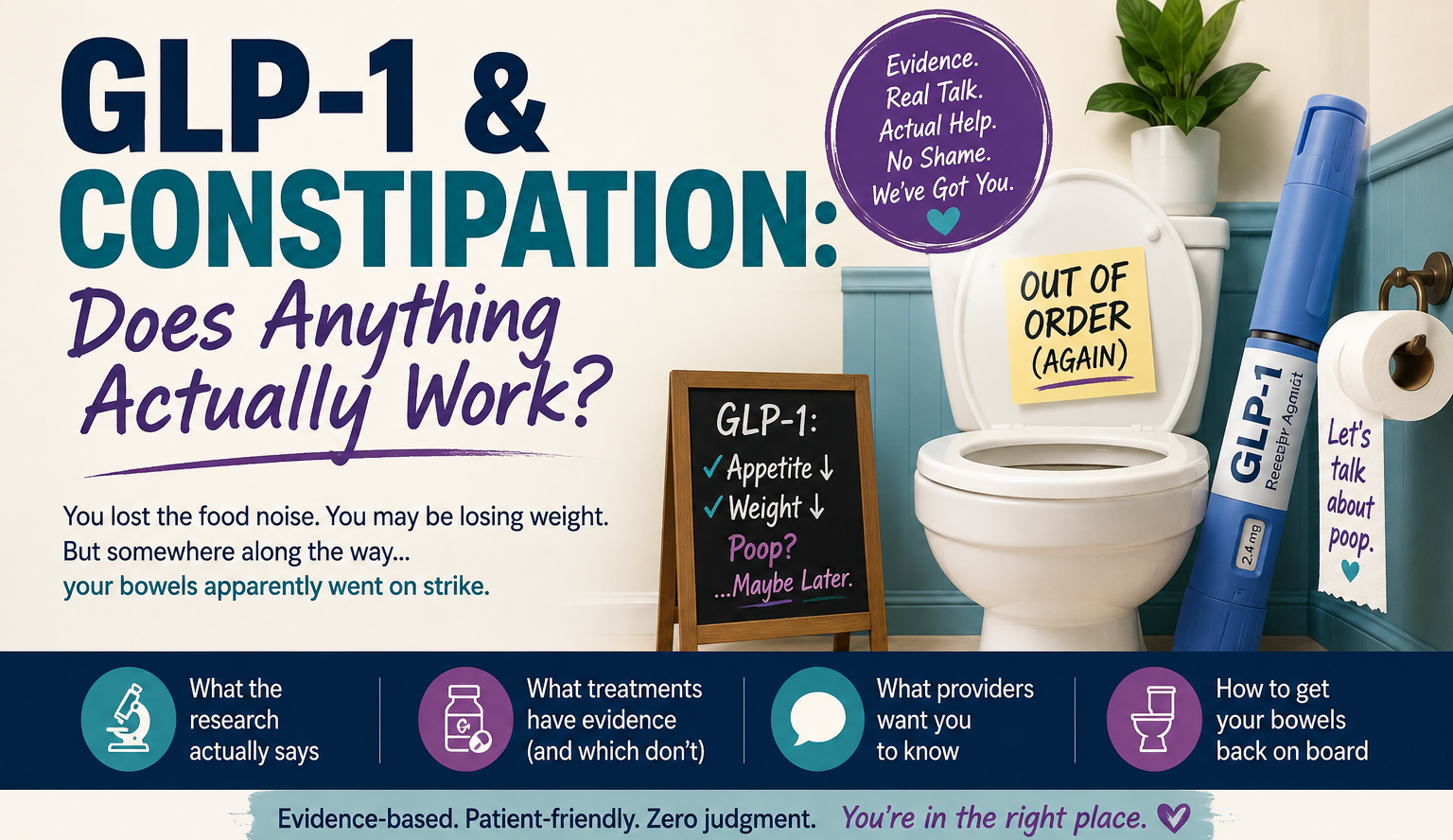
- Reviewing medications that may contribute to constipation — including [GLP-1 medications](/learn/colon-and-rectal-health/glp-1-constipation-does-anything-actually-work)
- Appropriate over-the-counter constipation treatments
- Medical evaluation for persistent, severe or unexplained constipation
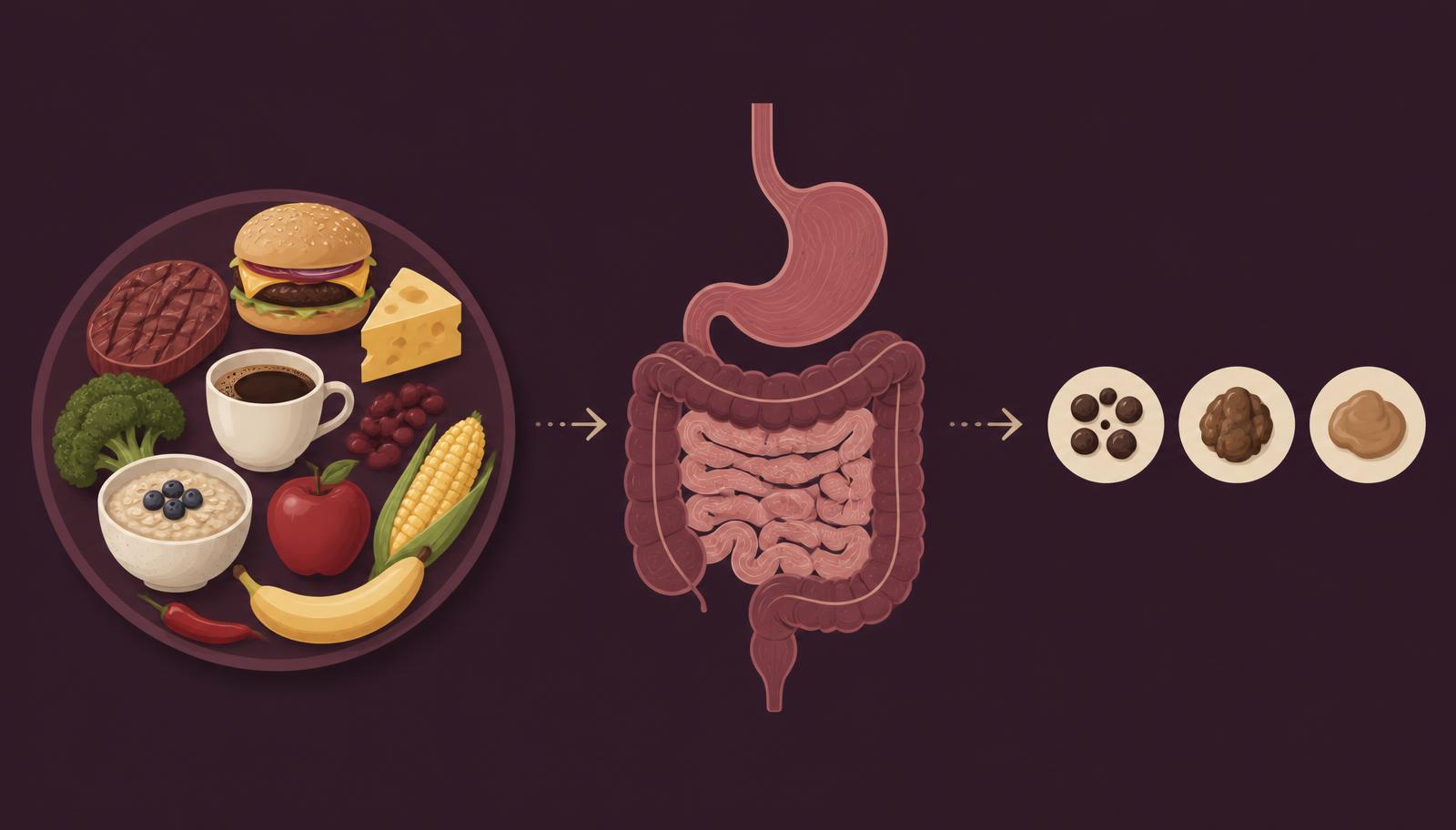
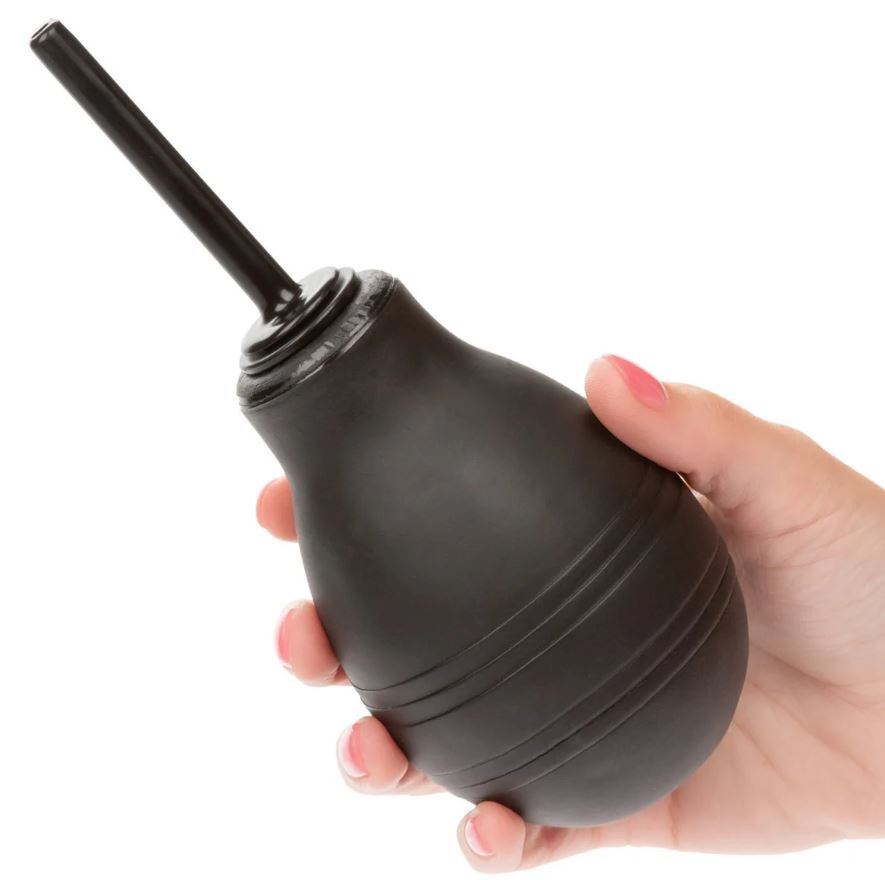
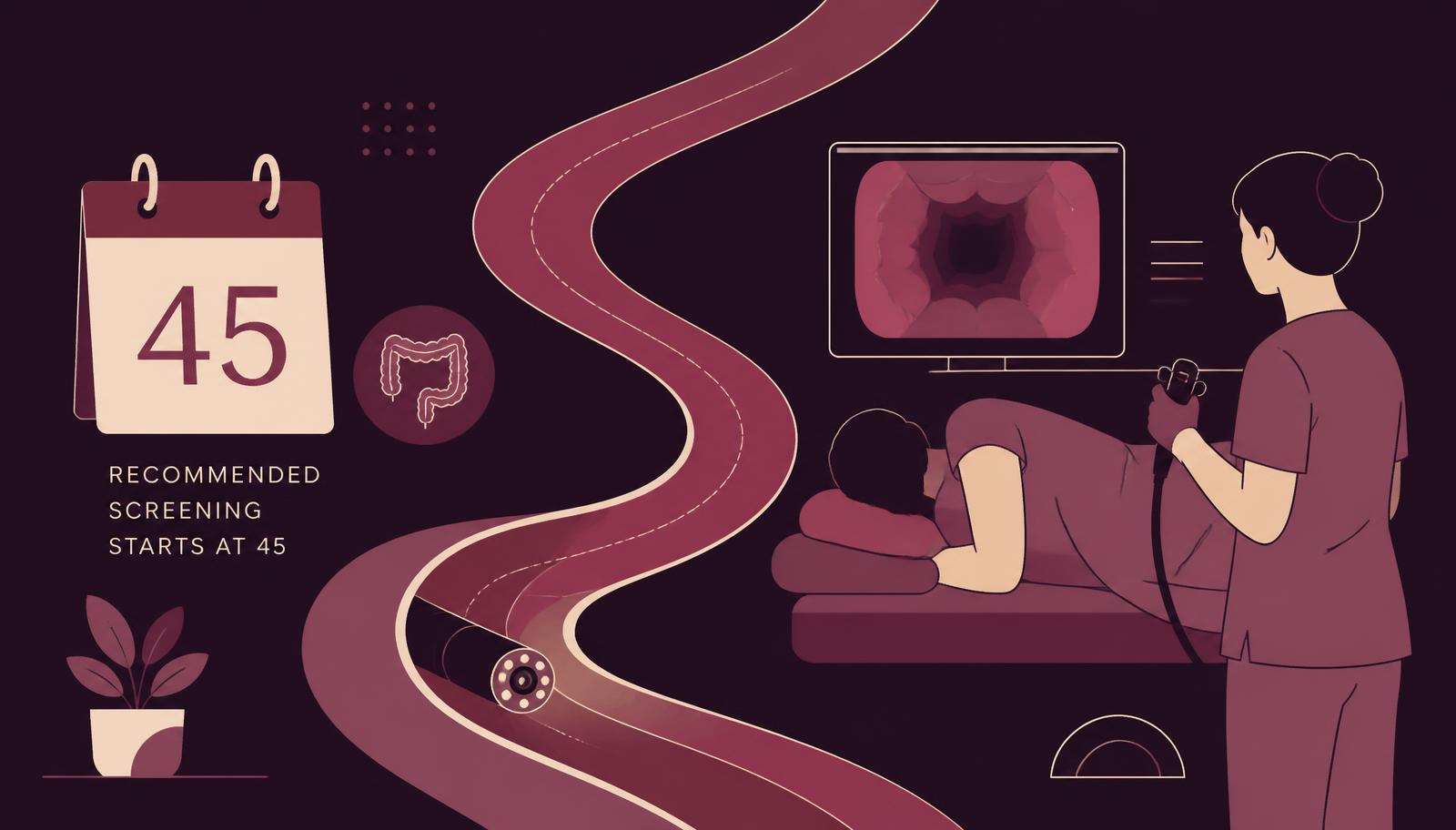
Curious how what you eat shows up later? See [How Food Changes Your Poop](/learn/colon-and-rectal-health/what-food-does-to-your-poop). People preparing for [colonoscopy](/learn/colon-and-rectal-health/colonoscopy-at-45) or another medical procedure should use the bowel-preparation regimen recommended by their healthcare team, rather than substituting homemade enemas or internet “cleanses.” And if you’re wondering about rectal rinsing before sex, read [Do You Actually Need to Douche?](/learn/hygiene-and-douching/do-you-actually-need-to-douche)
Booty science
“An enema being a legitimate medical tool does not mean anything you pour into an enema bag becomes legitimate medicine.”
That’s not how booty science works.
☕ Coffee Isn’t the Villain Here
None of this means coffee itself is inherently bad. We’re talking specifically about using coffee as a rectal enema.
- Enjoy your latte.
- Order the espresso.
- Make tiramisu.
- Bake something ridiculous with mocha frosting.
- Compost the grounds.
Just keep the coffee beans north of the belt.
🍑 The Anal Coach Bottom Line
Coffee enemas are promoted with claims ranging from constipation relief to “detoxification,” but clinical effectiveness for self-administered coffee enemas has not been demonstrated. Published medical literature has documented complications including:
- Proctocolitis
- Rectal burns
- Bleeding
- Perforation
- Electrolyte disturbances
- Infection and septicemia
Your butt deserves evidence-based care—not whatever wellness trend somebody brewed up on the internet.
Happy National Coffee Day ☕
“YOUR COLON IS NOT A KEURIG.”
When to Seek Medical Care
🚨 Already used a coffee enema? If you feel completely normal, panic isn’t helpful. But symptoms suggesting possible injury deserve medical evaluation. Seek prompt medical attention for:
- Significant or worsening abdominal or rectal pain
- Rectal bleeding or bloody stool
- Fever
- Persistent vomiting
- Severe abdominal swelling
- Dizziness or fainting
- Significant weakness
- Inability to pass stool or gas
- Severe pain following insertion or fluid administration
Tell the healthcare team what you used. Yes, tell them it was coffee. Accurate information helps clinicians determine what kind of injury or complication they may need to evaluate.
Frequently Asked Questions
📚 Peer-Reviewed Evidence
- 1.Son H, Song HJ, Seo HJ, et al. The safety and effectiveness of self-administered coffee enema: A systematic review of case reports. Medicine. 2020;99(36):e21998. — Systematic review identifying published adverse-event reports and finding no studies demonstrating clinical effectiveness. View on PubMed
- 2.Lee AH, Kabashneh S, Tsouvalas CP, et al. Proctocolitis From Coffee Enema. ACG Case Reports Journal. 2020;7(1):e00292. — Case report describing severe proctocolitis following coffee-enema use. View on PubMed
- 3.Jones LE, Norris WE. Rectal burn induced by hot coffee enema. Endoscopy. 2010;42(Suppl 2):E26. View on PubMed
- 4.Sashiyama H, Hamahata Y, Matsuo K, et al. Rectal burn caused by hot-water coffee enema. Gastrointestinal Endoscopy. 2008;68(5):1008. View on PubMed
- 5.Seo CH, Kim YH. A Case of Coffee Enema-induced Colitis. Journal of the Korean Society of Coloproctology. 2009;25(3):193-196. View on PubMed
- 6.Teekachunhatean S, Tosri N, Rojanasthien N, et al. Pharmacokinetics of Caffeine following a Single Administration of Coffee Enema versus Oral Coffee Consumption in Healthy Male Subjects. ISRN Pharmacology. 2013;2013:147238. — Randomized crossover study comparing caffeine pharmacokinetics. View on PubMed